
Pacemaker & Device Implantation
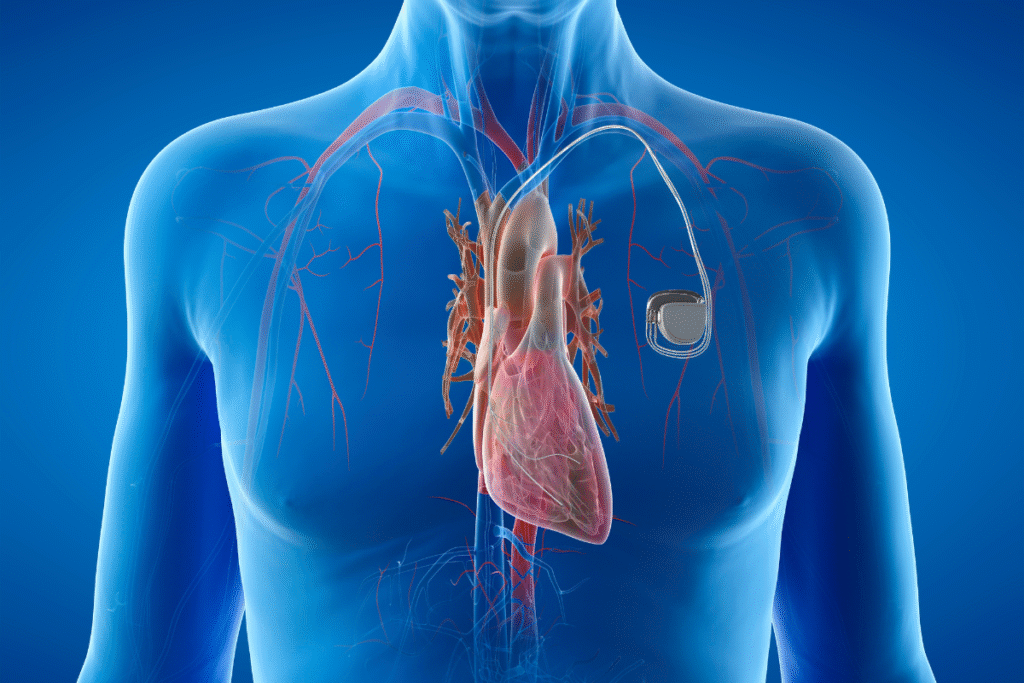
What is Pacemaker & Device Implantation?
Pacemaker & Device Implantation is a heart procedure used to treat people whose heartbeats are too slow, too fast, or irregular.
A pacemaker is a small, battery-powered device placed under the skin near the chest. It sends gentle electrical signals to help the heart beat at a normal rate.
In some cases, other devices such as ICD (Implantable Cardioverter Defibrillator) or CRT (Cardiac Resynchronization Therapy) are used to manage complex rhythm or heart-failure conditions.
When is Pacemaker & Device Implantation Needed?
Your doctor may suggest a pacemaker or cardiac device if you:
Feel dizzy, tired, or faint often
Have a slow or irregular heartbeat
Experience palpitations or fluttering in the chest
Have heart block or problems with the heart’s electrical signals
Have heart failure needing rhythm correction
These devices keep your heartbeat steady and protect you from dangerous rhythm problems.
How Pacemaker & Device Implantation Is Done?
The area below the collarbone is numbed with local anaesthesia.
A small cut (about 3–4 cm) is made to insert the device.
One or more thin wires (leads) are guided into the heart through a vein.
The device (pacemaker or ICD) is connected to the leads and placed under the skin.
The doctor tests and programs the device before closing the incision.
The procedure usually takes 1–2 hours, and you may stay in the hospital overnight.
Benefits of Pacemaker & Device Implantation?
Keeps your heart beating at a steady and safe rate
Prevents dizziness, fatigue, or blackouts caused by slow heartbeat
Improves energy and overall quality of life
Reduces the risk of sudden cardiac arrest (with ICDs)
Long-lasting, safe, and effective
Recovery & Care After Pacemaker & Device Implantation
After your pacemaker is implanted:
You can walk and eat normally the next day.
Avoid heavy lifting or raising your arm above shoulder level for a few weeks.
Keep the area clean and dry until healed.
Attend regular device check-ups so your doctor can monitor battery and function.
Most devices last 8–12 years and can be replaced easily when needed.
Why Choose Dr. Simmi Manocha?
27+ years of experience in advanced heart care and rhythm management
Expertise in pacemaker, ICD, and CRT device implantation
Uses modern, safe techniques and high-quality devices
Focus on patient comfort, clear explanations, and lifelong follow-up care
One of the most trusted cardiologists in Faridabad
Frequently Asked Questions (FAQ) ?
Q1. Is a pacemaker surgery painful?
No. The procedure is done under local anaesthesia. You’ll be awake but comfortable and feel no major pain.
Q2. How long will I stay in the hospital?
Most patients go home the next day after the procedure.
Q3. Can I live a normal life with a pacemaker?
Absolutely! You can walk, travel, work, and even exercise (after your doctor’s approval).
Q4. Will airport scanners or mobiles affect my pacemaker?
Modern pacemakers are well protected. However, always carry your pacemaker card and inform security before scanning.
Q5. How often should the pacemaker be checked?
Usually every 6 months. Some devices can even be monitored remotely.
📞 Book An Appointment
Call +91 9873078515 or book online to consult Dr. Simmi Manocha, a cardiologist in Faridabad.
Disclaimer: The medical information provided on this website is for educational and informational purposes only and should not be considered as medical advice, diagnosis, or treatment. Always consult a qualified healthcare professional regarding any medical condition or treatment decisions. While every effort is made to ensure accuracy, doctor and/or clinic and/or hospital does not guarantee the completeness, reliability, or accuracy of the information published. Treatment outcomes may vary from patient to patient.

Address:
Accord Superspeciality Hospital, Budena Village, Sector 86, Faridabad, Haryana 121007
Contact Number:
+91 9873078515
Quick Links
Map
Copyright © 2026 Dr. Simmi Manocha.in | All rights reserved